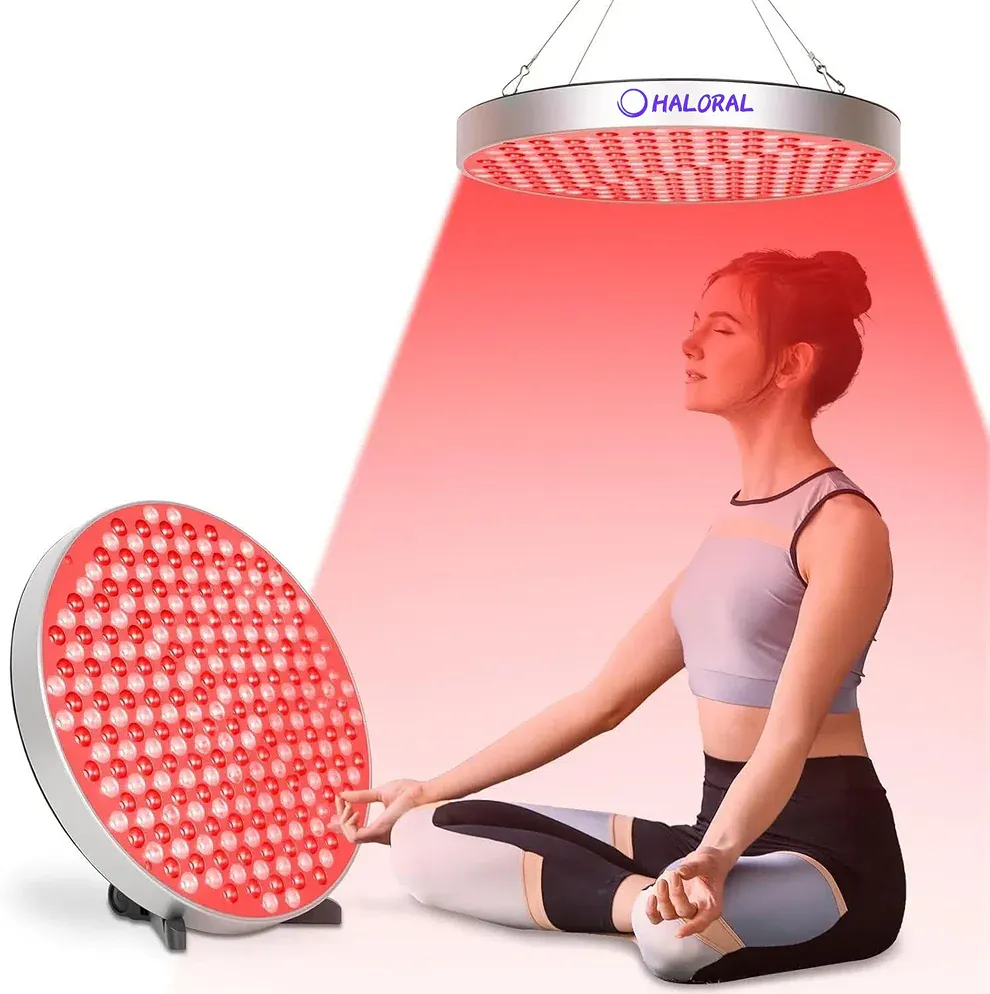
Why DLCWellness Chose Haloral Red Light Therapy Panels
Light has always been part of healing.
Long before wellness became an industry, sunlight helped regulate sleep, lift mood, support recovery, and restore balance. Modern science hasn’t changed that truth, it has simply helped us understand why it works.
At DLCWellness, we don’t partner with brands because something is trending. We partner when the science is credible, the intention is ethical, and the outcome supports the nervous system rather than overwhelming it.
That philosophy is what drew us to Haloral’s red light therapy panels.
The Science: Why Red Light Works at the Cellular Level
Red light therapy, also known as photobiomodulation, works at one of the most fundamental levels of the body, the cell.
Specific wavelengths of red and near-infrared light interact with the mitochondria, the part of the cell responsible for producing energy (ATP). When these wavelengths are absorbed:
Mitochondrial efficiency improves
Cellular energy (ATP) increases
Cells have more resources for repair, balance, and recovery
Unlike many modern interventions, red light therapy does not force change. It supports systems that already exist, helping the body function more efficiently with less strain.
From Cellular Energy to Nervous System Regulation
When cellular energy improves, downstream effects often follow:
Reduced inflammatory signaling
Improved circulation
More efficient tissue repair
A shift from chronic stress mode into recovery mode
Mental health is inseparable from physiology. Chronic stress, anxiety, and burnout are not abstract concepts they are nervous system states.
Emerging research suggests red and near-infrared light may support nervous system regulation by supporting blood flow, influencing circadian rhythm, and reducing neuroinflammatory load.
Many people describe red light sessions as grounding rather than stimulating a feeling of the body standing down from constant vigilance.
This is central to everything we do at DLCWellness.
Why We Recommend Using a Red Light Panel at Home
What stood out to us about Haloral’s red light panels is how easily they integrate into daily life.
This is not a treatment you need to push through. It becomes something you return to — a calm, steady input that supports recovery and resilience over time.
A simple way to use it at home:
20–30 minutes in the morning to support energy and circadian rhythm
Or in the evening to help the body shift into recovery mode
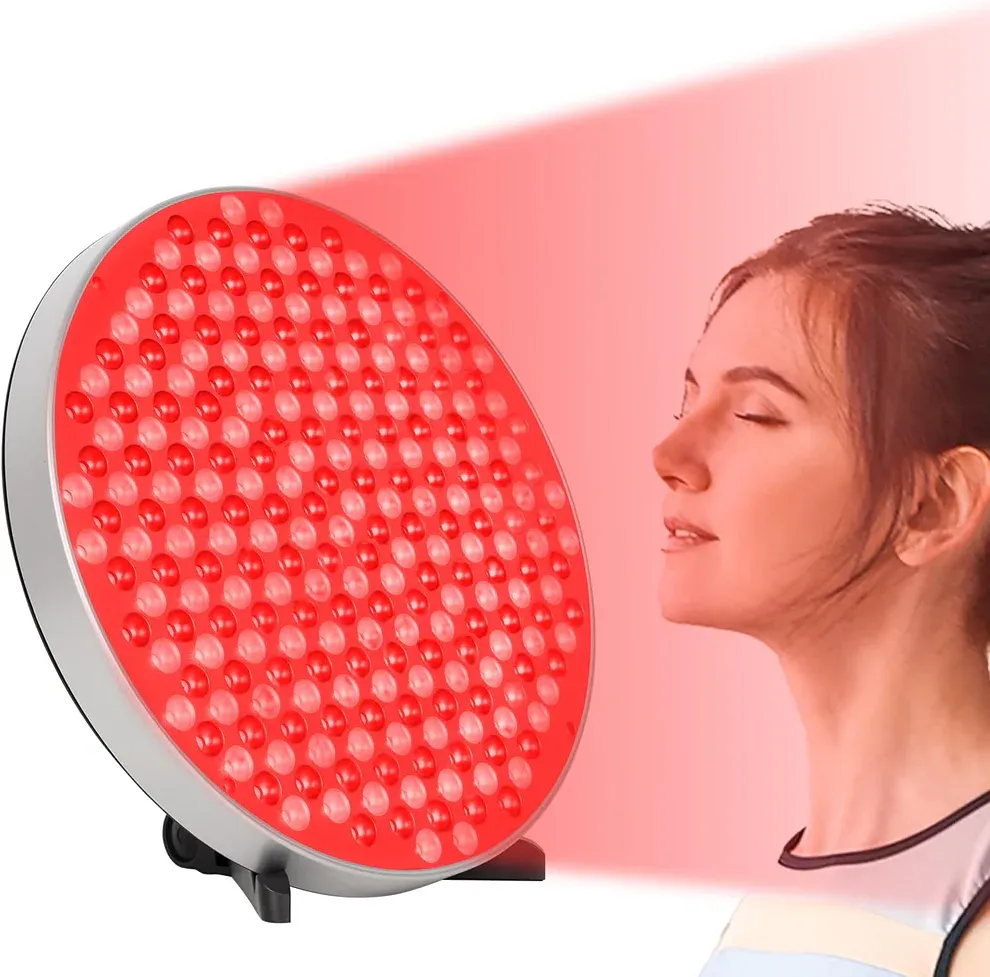
Stand or sit comfortably in front of the panel
No effort, no strain, no complexity
Consistency matters more than intensity.
This mirrors our philosophy at DLCWellness: sustainable support over forced optimisation.
Not Cosmetic Science, Biological Support
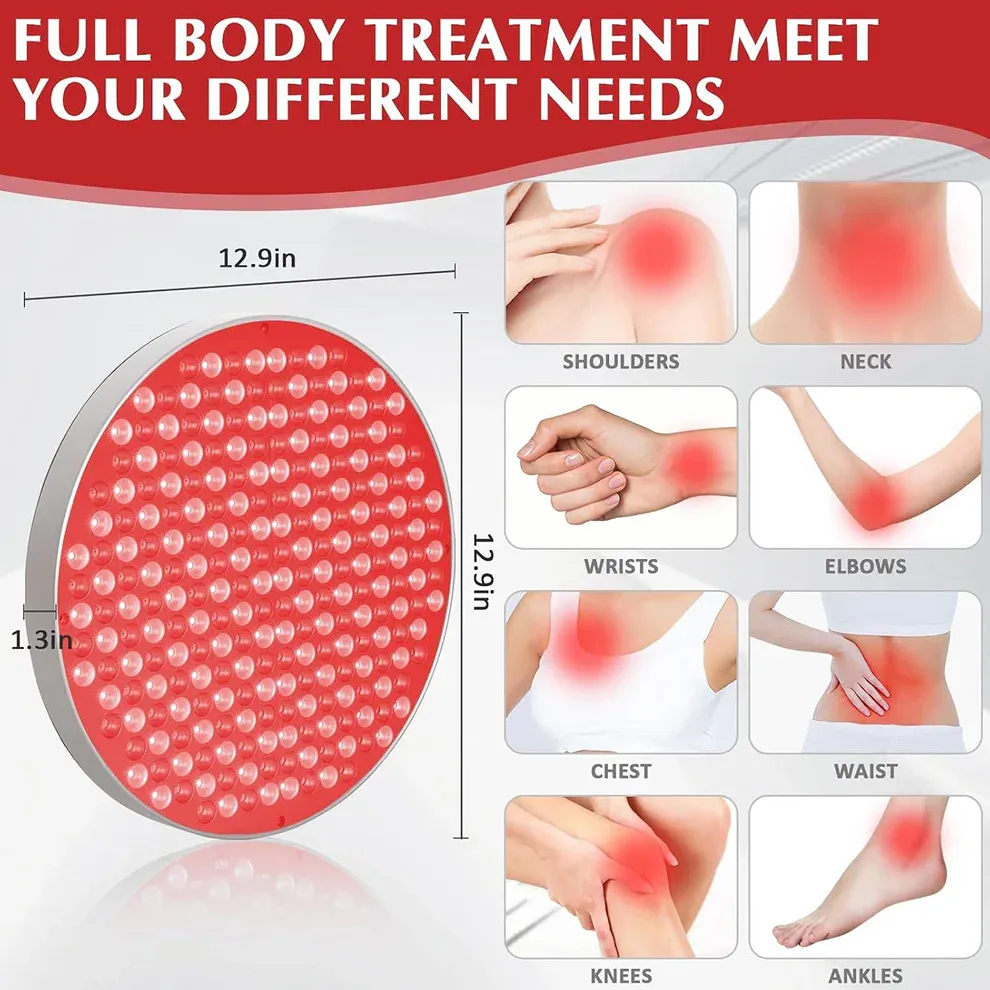
Red light therapy has been used for decades not only in human wellness, but also in clinical and veterinary settings to support:
Tissue repair
Joint comfort and mobility
Circulation
Inflammation reduction
This cross-species application is a reminder that photobiomodulation isn’t cosmetic science, it’s biological support.
Why Haloral Aligns With Our Values
Haloral’s approach reflects a deep understanding of this science:
Appropriate therapeutic wavelengths
Thoughtful, accessible design
Equipment made for consistent home use
A focus on long-term support, not instant claims
They respect the intelligence of the body. They understand that meaningful shifts in wellbeing come from creating safety, not pressure.
That is why DLCWellness chose to partner with Haloral.
An Invitation to Experience It Yourself
As part of this partnership, Haloral has extended an exclusive offer to the DLCWellness community.
You can receive 10% off using code: DLCWELLNESS
Access Haloral here: Click to explore
This is an invitation to slow down, choose gentler tools, and trust that healing does not need to be aggressive to be effective.
Who This Is Especially Helpful For
Red light panels can be particularly supportive for people experiencing:
Chronic stress or burnout
Nervous system dysregulation
Sleep disruption
Muscle tension or inflammation
Ongoing physical or mental fatigue
Healing doesn’t have to be intense to be effective. Sometimes, the most powerful support is also the most gentle.
DLCWellness
Comments